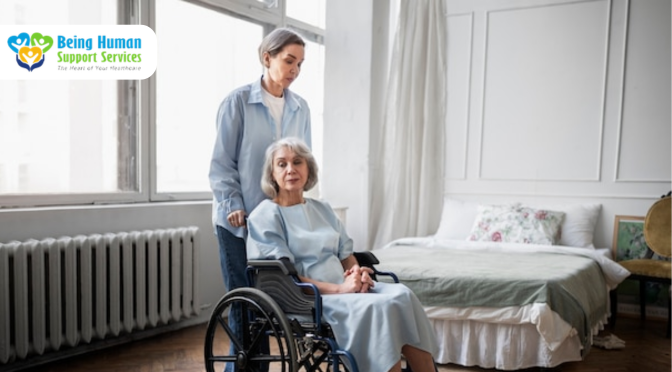
Choosing the right living arrangement under the NDIS can feel overwhelming. Families often weigh safety, independence, community access, and long term wellbeing before making any decisions. One option that attracts growing interest is NDIS SIL in Perth. This guide explores what NDIS SIL involves, who it may suit, how funding works, and the practical factors to consider before taking the next step.
If you are deciding for yourself or supporting a loved one, understanding Supported Independent Living can make the process clearer and more confident.
What is Supported Independent Living Under NDIS?
Supported Independent Living refers to funded supports that help participants live as independently as possible in a shared or individual home environment. It is not the physical house itself. Instead,
NDIS SIL in Perth covers the assistance provided within the home.
Support may include:
- Help with personal care routines
- Meal planning and cooking assistance
- Medication prompts and health support
- Overnight supervision
- Building daily living skills
- Support with routines and household tasks
- Behavioural support where required
SIL is usually delivered in shared living arrangements with other participants, though some people receive similar support in their own homes when appropriate.
Who Might Benefit From NDIS SIL?
SIL is generally suited to participants with higher support needs who require regular assistance throughout the day or night. It is recommended when living alone is no longer safe or practical without structured help. You or your family member might benefit from SIL if:
- Daily tasks are difficult to manage independently
- Ongoing supervision is required
- There is a need for structured routines and stability
- Social connections within a household would be positive
- Family carers need additional support or respite
- Skill development is a key goal
Every situation is different. Eligibility depends on individual goals, functional capacity, and what the NDIS considers reasonable and necessary.
How SIL Funding Works Under the NDIS
SIL funding is included in a participant’s NDIS plan when an assessment shows that shared or supported living is appropriate. It does not cover rent, utilities, groceries, or personal expenses.
Supported Independent Living funding focuses on:
- Staff support hours
- Overnight monitoring
- Active or passive supervision
- Assistance with daily routines
- Building independence
- Behavioural and safety supports
The level of funding depends on the assessed support ratio within the household and the intensity of care required. Some homes have twenty four hour active support, while others rely on overnight supervision.
Key Benefits of NDIS SIL
Supported Independent Living can bring both practical and emotional advantages when matched carefully to the participant.
O1. Encourages Independence
Rather than doing everything for the person, SIL focuses on helping participants learn and practise daily skills. This can include cooking simple meals, managing schedules, or cleaning personal spaces.
O2. Promotes Stability and Routine
Consistent staffing and structured daily routines help create a sense of safety and predictability. This can be especially helpful for people who thrive on familiarity.
O3. Builds Social Connection
Shared homes provide opportunities to form friendships, practise communication, and engage in household activities together.
O4. Reduces Pressure on Families
SIL can offer peace of mind for families who have been providing full time care. Knowing that professional support is in place often relieves emotional and physical strain.
Signs That SIL May Not Be the Right Fit Yet
While SIL offers many benefits, it may not be suitable in every situation.
It may not be ideal if:
- The person can live safely with minimal support
- Shared environments cause significant distress
- There is a strong preference for living completely alone
- Required Perth disability services can be delivered
- effectively through other funding categories
In these cases, alternative arrangements might better align with unique personal goals.
How to Explore SIL as an Option
If you are considering SIL, start with open conversations about preferences, fears, and aspirations. Involve support coordinators, allied health professionals, and family members in the discussion.
Practical next steps include:
- Reviewing current NDIS goals
- Requesting functional assessments
- Visiting potential homes
- Meeting support workers
- Discussing housemate compatibility
- Clarifying funding inclusions
Taking time at this stage helps avoid rushed decisions later.
Choose Our SIL for Choice, Growth and Personal Growth
Being Human Support Services is a registered NDIS provider, working closely with participants and families to create supportive home environments where individuals can develop life skills, build confidence, and feel secure every day. We offer a wide range of Perth disability services, such as SIL and other supports. Call us today to discuss your needs and find out how we can support you or your loved one.
Frequently Asked Questions
Yes. Participants can request a plan review if their circumstances change significantly. Updated assessments can lead to adjusted funding levels.
Providers usually assess compatibility based on support needs, lifestyle preferences, age groups, and daily routines to encourage a stable household.
Absolutely. Families are often encouraged to remain engaged, attend reviews, and participate in care planning where the participant agrees.
Providers should have processes to address concerns, adjust supports, or help explore alternative housing options if needed.
SIL funding focuses on in-home supports. Transport may be funded separately in the NDIS plan depending on individual needs.
Timeframes vary based on funding approval, vacancy availability, and assessments. It can take several months from initial enquiry to move in.